Global vs Local Models Globale vs lokale Modelle
One equation for everything, or a different rule for every neighbourhood. The split that runs through all of machine learning. Eine Gleichung für alles, oder eine eigene Regel für jede Nachbarschaft. Diese Unterscheidung zieht sich durch das gesamte maschinelle Lernen.
Two parks. Two philosophies. Zwei Parks. Zwei Philosophien.
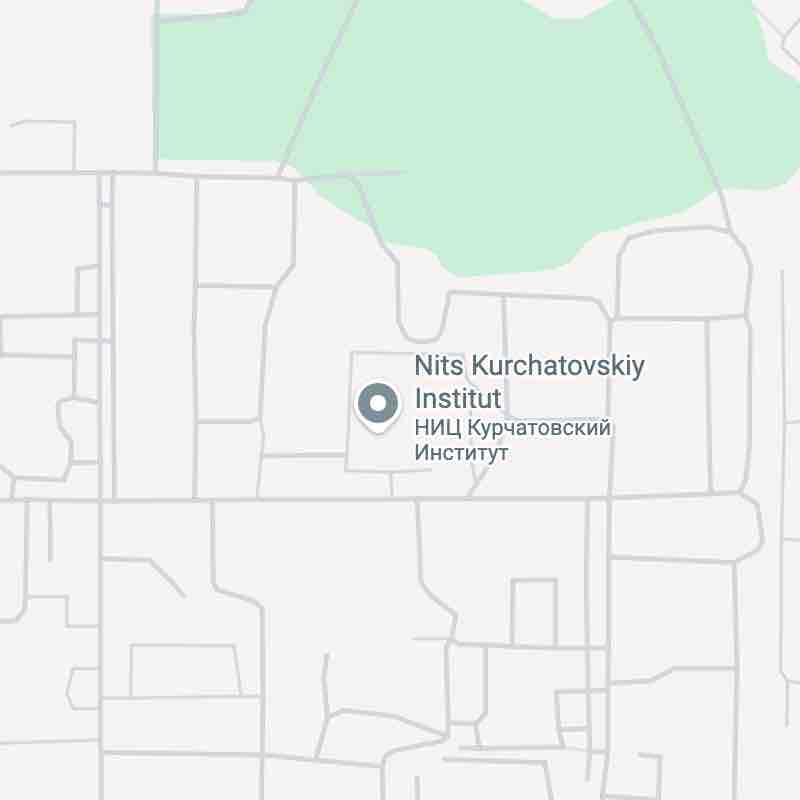
Somewhere in Moscow, the physicist Igor Kurchatov looked out at the grounds of his research institute and noticed that people were ignoring the paved paths. They cut across grass, wore tracks through gardens, found their own way. So he did something unusual: he waited. He let the paths form first, the ones people actually wanted, and only then paved them.
Irgendwo in Moskau blickte der Physiker Igor Kurtschatow auf das Gelände seines Forschungsinstituts. Er bemerkte, dass die Menschen die gepflasterten Wege ignorierten. Sie schnitten quer über den Rasen, trampelten Pfade durch Gärten und fanden ihren eigenen Weg. Also tat er etwas Ungewöhnliches: Er wartete. Er ließ die Pfade erst entstehen, also die, die die Menschen wirklich wollten. Und erst danach pflasterte er sie.
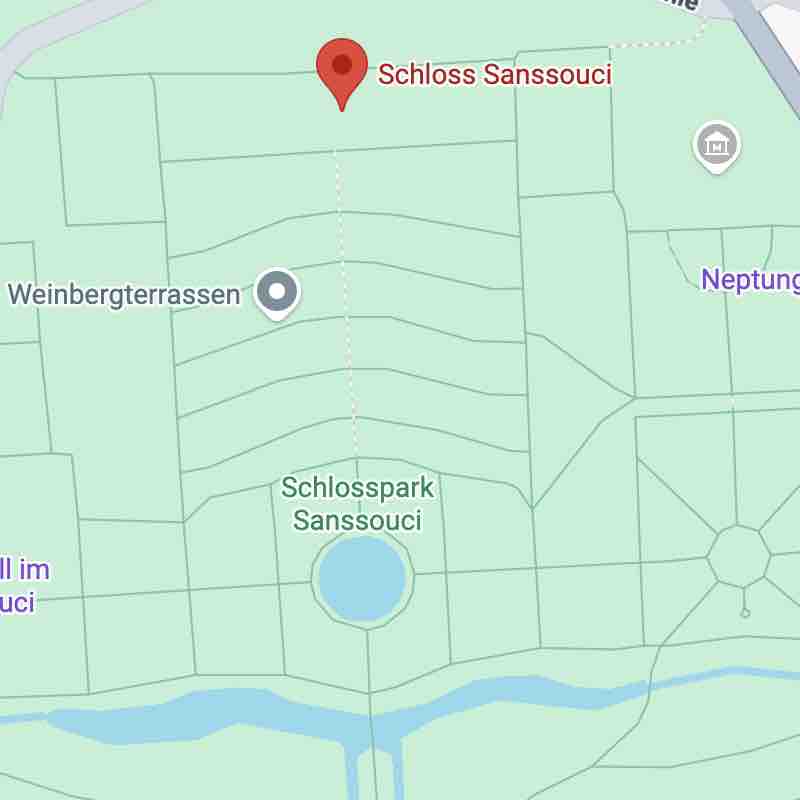
Sanssouci, a few hours west, was designed differently. Frederick the Great gave his gardeners a plan. Symmetry first. The paths exist where the geometry demands them, regardless of whether anyone's feet agreed.
Sanssouci, einige Stunden westlich, wurde anders entworfen. Friedrich der Große gab seinen Gärtnern einen Plan. Zuerst die Symmetrie. Die Wege liegen dort, wo die Geometrie es verlangt. Ob irgendwelche Füße dem zugestimmt haben, spielt keine Rolle.
This is not a metaphor for which approach is better. Both parks are beautiful. Both serve their purpose. The question is what that purpose is, and what you lose when you choose one over the other.
Das ist keine Metapher dafür, welcher Ansatz besser ist. Beide Parks sind schön. Beide erfüllen ihren Zweck. Die Frage ist, was dieser Zweck ist. Und was du verlierst, wenn du dich für eine Seite entscheidest.
The split Die Unterscheidung
Every model you build makes an implicit claim about the world: is the same rule true everywhere, or does the rule itself depend on where you are? This is the global vs local distinction. It is not about accuracy. It is about the shape of your assumptions.
Jedes Modell, das du baust, behauptet etwas über die Welt: Gilt dieselbe Regel überall, oder hängt die Regel davon ab, wo du gerade bist? Das ist der Unterschied zwischen global und lokal. Es geht dabei nicht um die Trefferquote. Es geht um die Form deiner Annahmen.
Global modelGlobales Modell
One function fits the entire dataset. The same equation applies whether you are at the edge or the centre, in a dense cluster or an empty region. Linear regression is the archetype: one line for all the points.
Eine Funktion passt auf den gesamten Datensatz. Dieselbe Gleichung gilt am Rand wie in der Mitte, im dichten Cluster wie im leeren Bereich. Die lineare Regression ist das Urbeispiel: eine Gerade für alle Punkte.
The assumption is that the world has a single underlying logic. You are trying to find it.
Die Annahme dahinter: Die Welt hat eine einzige zugrundeliegende Logik. Du versuchst, sie zu finden.
Local modelLokales Modell
Different rules for different regions. The model adapts to local structure rather than imposing a single form. K-NN is the archetype: your classification depends entirely on who your neighbours are right here, not on a global fit.
Verschiedene Regeln für verschiedene Regionen. Das Modell passt sich der lokalen Struktur an, statt eine einzige Form aufzuzwingen. K-NN ist das Urbeispiel: Deine Klassifizierung hängt allein davon ab, wer genau hier deine Nachbarn sind.
The assumption is that the world is patchwork. You are trying to map it.
Die Annahme dahinter: Die Welt ist ein Flickenteppich. Du versuchst, ihn zu kartieren.
Same data, two models Dieselben Daten, zwei Modelle
Place some points by clicking on the canvas. Each point has an x value (horizontal position) and a y value (vertical position), think of x as an input and y as the thing you are trying to predict. Then switch between a global fit (linear regression, one straight line for all the data) and a local fit (K-NN regression, each prediction is the average of K nearby points). Same data, very different curves.
Klick auf die Leinwand, um Punkte zu setzen. Jeder Punkt hat einen x-Wert (horizontale Position) und einen y-Wert (vertikale Position). Dabei ist x die Eingabe, und y ist das, was du vorhersagen willst. Wechsle dann zwischen zwei Anpassungen. Global heißt lineare Regression, also eine Gerade für alle Daten. Lokal heißt K-NN-Regression, also der Durchschnitt der K nächsten Punkte. Dieselben Daten, sehr verschiedene Kurven.
What you give up Was du aufgibst
Neither approach is free. Every choice along the global–local axis carries a cost on the other side.
Keiner der Ansätze ist kostenlos. Jede Wahl auf der Achse zwischen global und lokal hat einen Preis auf der anderen Seite.
When each wins Wann jedes gewinnt
The real question Die eigentliche Frage
Before you choose a model, ask: do I believe the world has one rule here, or many? If you believe in one rule, a global model is not a compromise, it is the honest choice. If you believe the world is patchy and local, imposing a global form is the dishonest one. Most real problems live somewhere in between. That is why ensemble methods exist, and why that is a different module.
Bevor du ein Modell wählst, frag dich: Hat die Welt hier eine Regel oder viele? Glaubst du an eine Regel, dann ist ein globales Modell kein Kompromiss. Es ist die ehrliche Wahl. Hältst du die Welt für fleckig und lokal, dann ist ein globales Modell die unehrliche Wahl. Die meisten echten Probleme liegen dazwischen. Genau dafür gibt es Ensemble-Methoden, und die sind ein anderes Modul.